

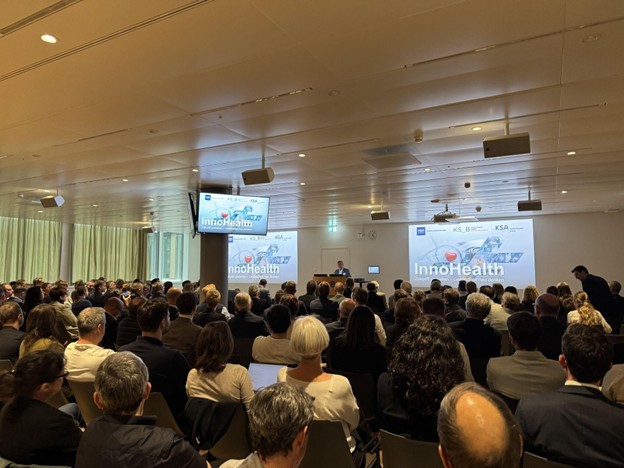
Photo Gallery
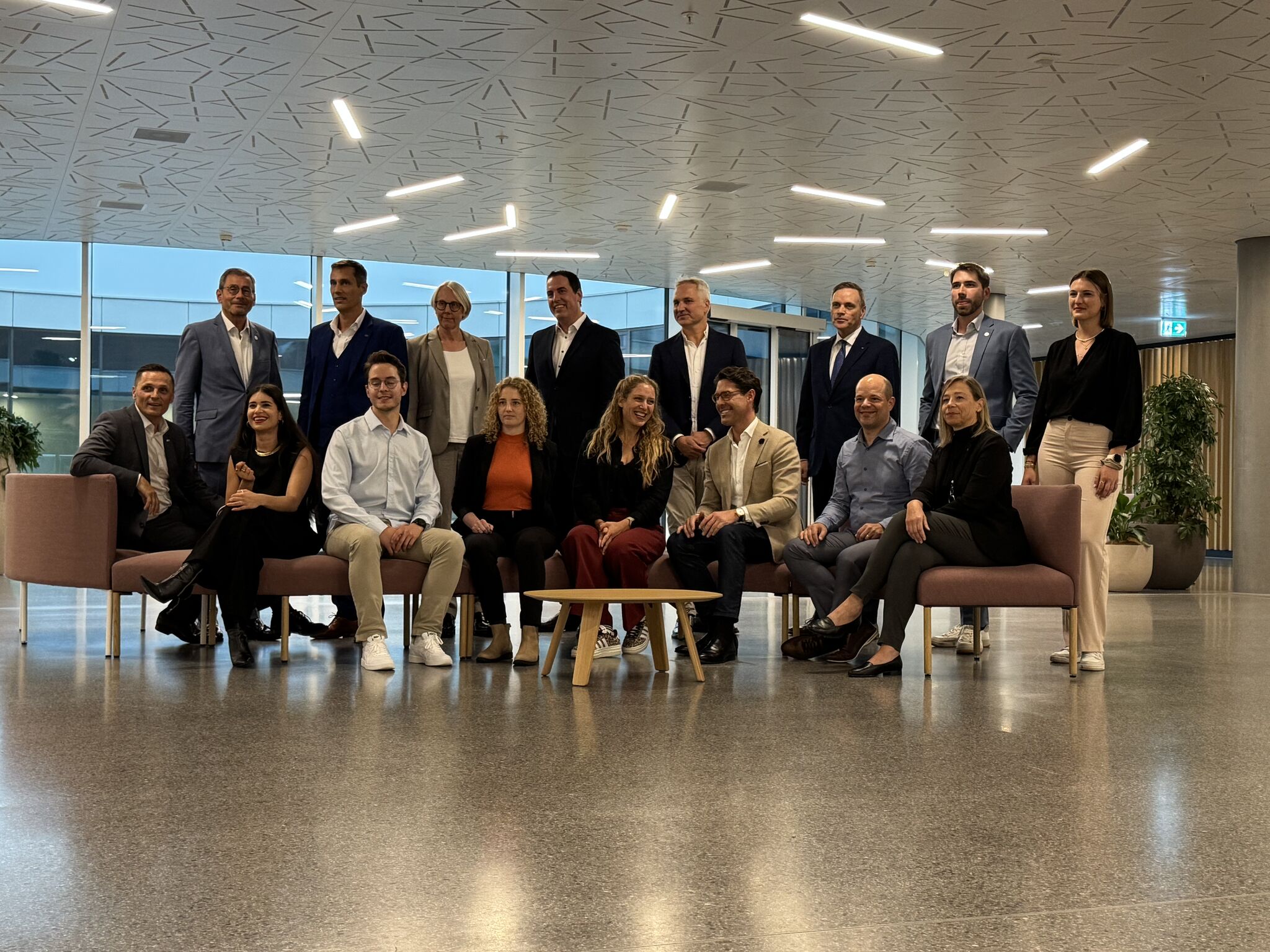
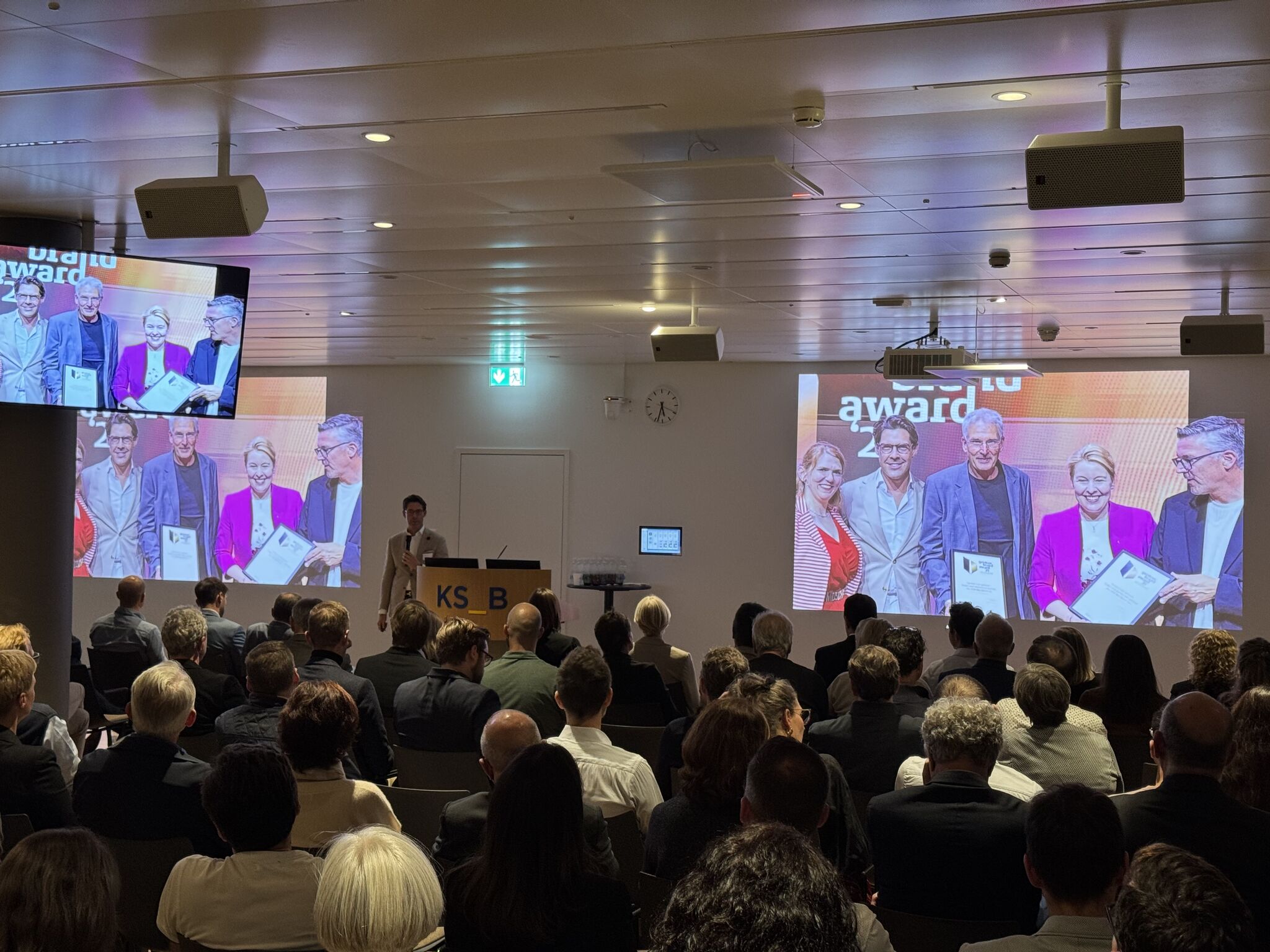
Revolutionizing Endometriosis Diagnosis Through AI
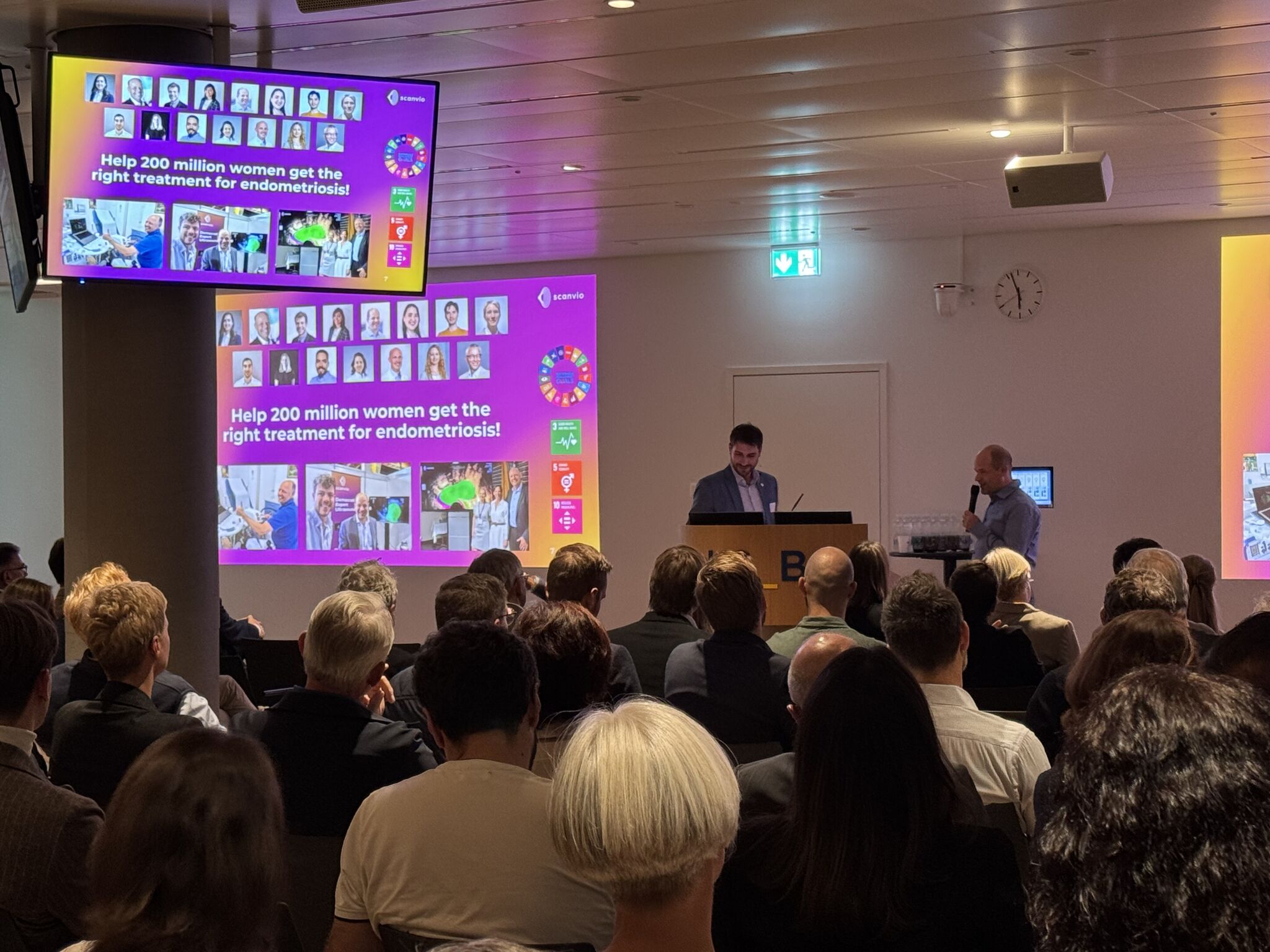
One highlight was Stefan Tuchschmid (CEO, Scanvio), who introduced Scan Assist, an AI-powered ultrasound tool designed to detect endometriosis in real time. Integrated directly into existing systems, the technology overlays live scans with AI-guided insights helping gynecologists identify complex pathologies earlier and more accurately.
With partnerships across Swiss university hospitals and fertility centers, Scanvio’s work exemplifies how AI, clinical expertise, and translational research can converge to close diagnostic gaps and improve women’s health outcomes worldwide.
Data-Driven Nutrition and the Future of Personalized Care
Discussions then moved beyond technology to address a more fundamental yet often overlooked pillar of health which is nutrition.
One of the most compelling talks came from a leading clinician-researcher who emphasized that malnutrition is not confined to developing regions but it exists within Swiss hospitals, often hidden among patients with multiple illnesses. One in three hospitalized patients in Switzerland is malnourished, despite living in a country known for its high standard of care.
Malnutrition in acutely or chronically ill patients has profound clinical consequences; increased complication rates, longer hospital stays, and higher mortality risks. Yet, as the speaker noted, it is also one of the few modifiable factors in inpatient care.
Citing the landmark EFFORT study led by Prof. Philipp Schuetz, the presentation highlighted that personalized nutrition can measurably improve outcomes and even save lives. Six years after its publication, researchers are moving further by integrating muscle analytics, biochemical data, and AI-driven risk models into daily clinical workflows.
As the speaker concluded, “Yes, malnutrition exists in Switzerland, but we can treat it if we act early.”
Advances in Nuclear Medicine and Precision Imaging
Experts in nuclear medicine showcased how this field is entering a new era; one that merges molecular precision with artificial intelligence to advance prostate cancer diagnosis and therapy.
A keynote presentation by a leading nuclear medicine specialist from Kantonsspital Baden (KSB) highlighted the theragnostic revolution: using the same molecular platform for both imaging and therapy.
This dual capability known as theragnostics allows physicians to visualize and treat cancer with unmatched accuracy. The Gallium-PSMA PET scans offer superior sensitivity compared to conventional imaging, enabling earlier and more precise tumor detection.
Beyond imaging, the KSB team is working to optimize therapy using AI-assisted analysis. Partnering with Siemens Healthineers, they have trained an AI model on just 50 patient datasets to automatically interpret PET scans. Despite the small dataset, the early results demonstrate impressive accuracy, signaling how machine learning could accelerate diagnostics and reduce clinician workload.
Another major finding presented was data on kidney protection during radioligand therapy. KSB’s research has shown that encouraging diuresis in patients helps maintain stable renal function – an important advancement in minimizing the side effects of radionuclide treatments.
Finally, the team previewed an upcoming integrated model combining lesion-based imaging analysis, patient-reported outcomes, and laboratory data. This comprehensive framework aims to predict treatment response and tailor therapy on an individual level, making a step closer to true precision oncology.
Digital Data Meets Human Connection in Switzerland’s Baby-Friendly Hospitals
A highlight presentation of the symposium explored how data-driven innovation can strengthen one of healthcare’s most human experiences - the bond between mother and child.
“Innovation in healthcare should help us live healthier and longer,” the speaker emphasized. “And that begins immediately after birth - with the first feeding.”
Representatives from the Baby-Friendly Hospital initiative shared how their interdisciplinary team has integrated real-time data monitoring into postnatal care, aligning with UNICEF’s Baby-Friendly Hospital certification.
The system automatically aggregates data entered by nurses and lactation consultants into a live dashboard — eliminating manual transfers, reducing errors, and providing actionable insights for quality improvement.
One early insight: over 50% of mothers who opted for alternative feeding did so by personal choice (“mother’s wish”). This prompted a new focus on
By digitally linking mother and infant patient data, the project captures the interdependence of early nutrition, offering a holistic model of care that enhances both quality and empathy.
The initiative marks Switzerland’s first real-time Baby-Friendly data integration, setting a precedent for how digital tools can support human-centered care.