

PhD Circle Editors-in-Chief


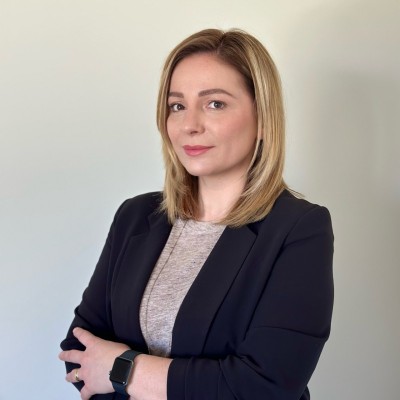


Dr. Gjylije Hoti
Assistant Professor (RTDa), Department of Chemistry, University of Turin, Italy
Life Science
Gjylije Hoti is an Assistant Professor (RTDA) whose research focuses on the synthesis and characterization of novel polymers as biocompatible nanoformulations for pharmaceutical, environmental, and other advanced applications. Her main research interests include Polymer Chemistry, Materials Science, Green Chemistry, Analytical Chemistry, Organic Chemistry, Pharmaceutical Chemistry, Nanotechnology, Nanomedicine, etc. Her work primarily centers on the design and development of dextrin-based polymers as nanocarrier systems for drug delivery applications targeting movement and sleep disorders, early-stage viral replication, cancer therapy, etc. She has also developed greener synthetic strategies and advanced characterization methods to deepen the understanding and optimize the potential of these materials, emphasizing their biological benefits and health-promoting effects.
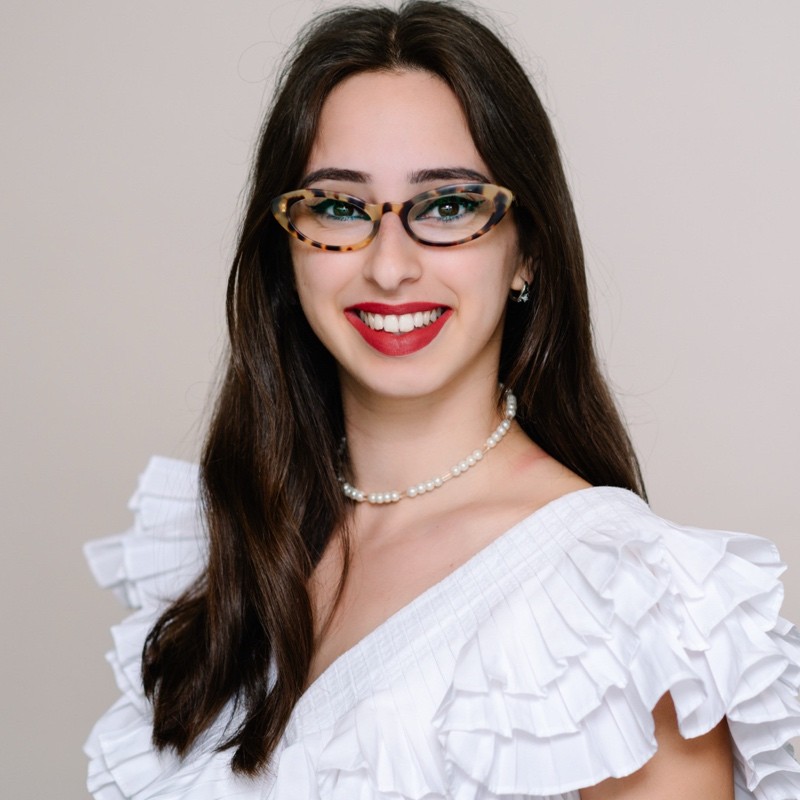
Dr. Erand Llanaj
Research Scientist in Molecular Epidemiology
Epidemiologic Methods & Evidence Synthesis
Dr. Erand Llanaj is a molecular epidemiologist whose research focuses on the exposome and metabolic pathways relevant to cardiometabolic and other noncommunicable diseases, including cancer. He integrates environmental and lifestyle exposures with metabolic, genomic and molecular data to inform prevention strategies in precision public health. His work also includes evidence synthesis and he has contributed through international consortia to the European Prospective Investigation into Cancer and Nutrition (EPIC) studies in Germany and across Europe. He has worked with the World Health Organization and the Institute for Health Metrics and Evaluation on Global Burden of Disease research. His publications have appeared in leading peer-reviewed journals, including The Lancet and Springer Nature portofolio.
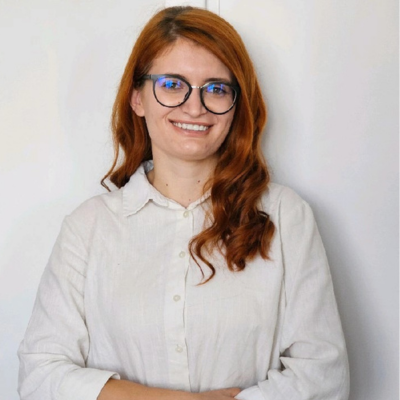
Dr. Marjana Prifti Skenduli
Assistant Professor, University of New York Tirana
Quantum AI
Dr. Marjana Prifti Skënduli is a computer scientist whose research integrates artificial intelligence (AI), machine learning (ML) and quantum computing (QC), alongside a strong interest in AI applications in education. She completed a postdoctoral fellowship in Quantum Machine Learning at the Università degli Studi di Bari Aldo Moro, Italy and currently serves as Assistant Professor at the University of New York Tirana. She is a member of the Council of Europe Expert Group on Artificial Intelligence and Education and has contributed as a Red Team Network Member and Policy Researcher at OpenAI. In 2023, she founded AI Albania, the country's first center focused on advancing AI excellence and responsible ecosystem development. She chairs the Awards Committee for ACM-W Global.
Dr. med. Rina Demjaha
MD/PhD Candidate, Neurology Biomarker Research Unit, Med Uni Graz
Neuroscience
BIO
Dr. Dardan Beqaj
Postdoctoral Researcher, Max Planck Institute, Marburg
Microbiology
BIO

Mario Muceku
PhD Candidate in Behavioral Economics, HEC Lausanne
Economics
Mario Muceku is a full-time Graduate and Teaching Assistant and PhD candidate at HEC Lausanne. With a background in economics and statistics, his research examines how people update beliefs from available information and how this shapes decisions under uncertainty. Combining a robust theoretical framework with carefully designed experiments, he studies the prevalence and consequences of suboptimal decision-making. He currently teaches four courses: Microeconomics and Game Theory, Managerial Decision-Making, and Introduction to Political Economy at the University of Lausanne, and Risk Savvy at EPFL
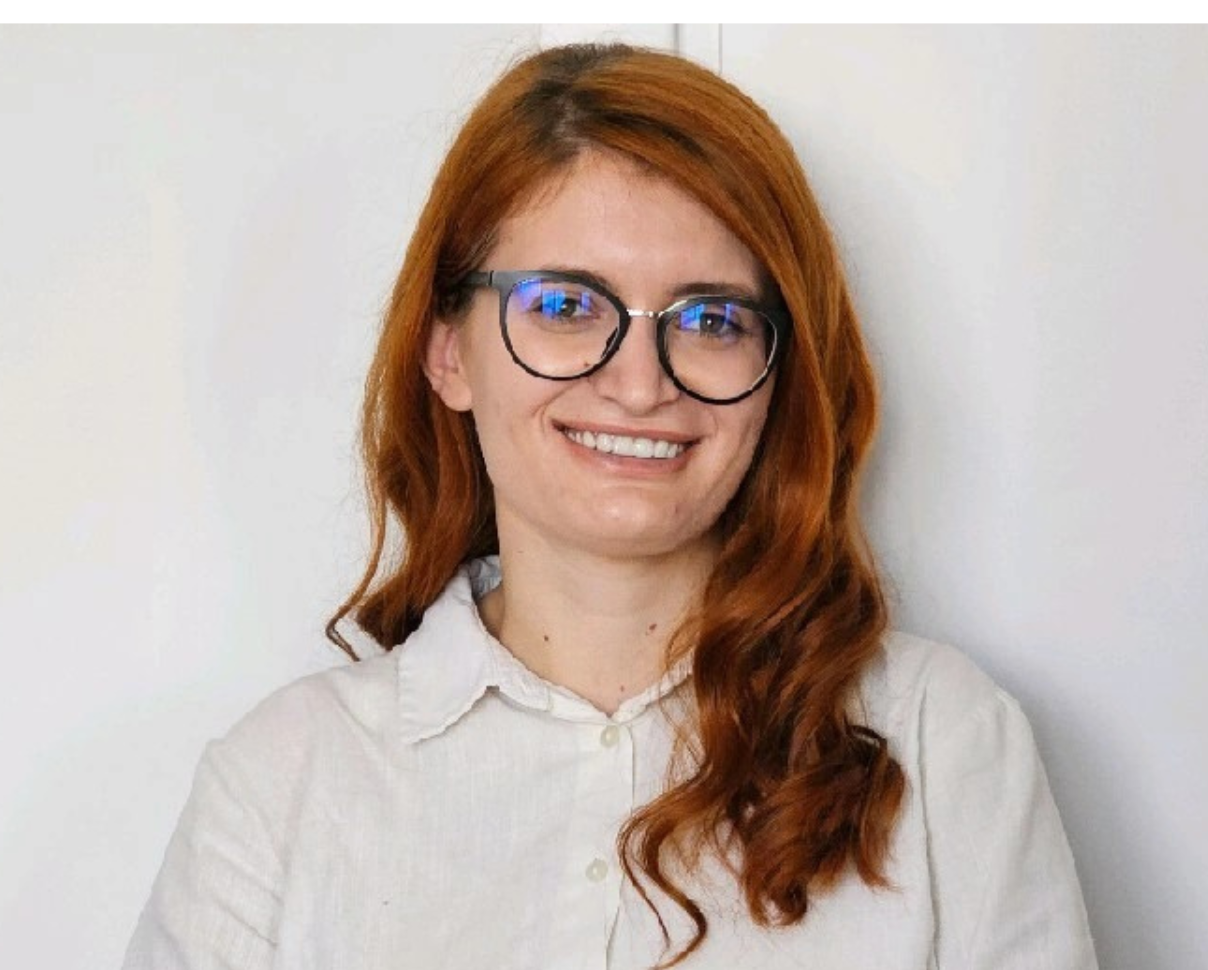
Xhensiana Ndreka
PhD Candidate in Electrochemistry, Mendel University in Brno
Diagnostics
Xhensiana Ndreka is a Ph.D. candidate in Electrochemistry at Mendel University in Brno, Czech Republic. Her research focuses on the development of advanced electrochemical sensors using functionalized magnetic nanoparticles, molecularly imprinted polymers, and other nanomaterials. She aims to integrate these materials with automated systems, such as microfluidic platforms, to design innovative and reliable tools for point-of-need analysis and diagnostics. By combining nanotechnology with laboratory automation, her work seeks to enhance the sensitivity, selectivity, and practicality of electrochemical detection methods for real-world analytical and biomedical applications.